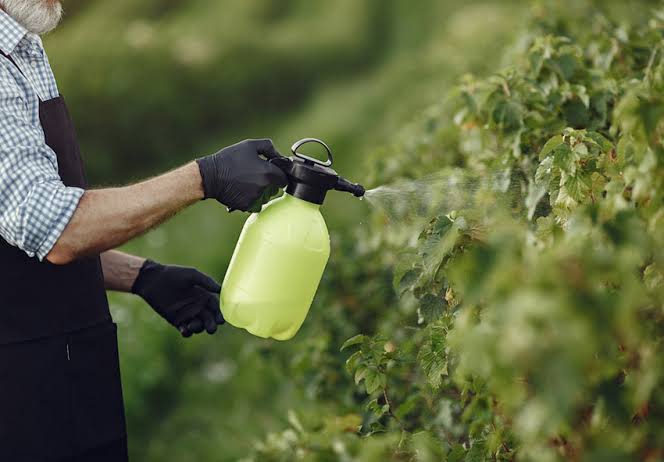
Introduction
Garden pests and diseases challenge every gardener. Traditional responses involve pesticides and fungicides, but organic approaches often work as well or better. Organic methods prevent problems before they start, cure problems once they appear, and maintain ecosystem health. This guide walks through organic pest and disease management, identifying problems, organic solutions, prevention strategies, and when chemical intervention is justified. The goal is helping you manage garden problems without chemicals and maintain healthy, beautiful gardens.
Healthy plants in healthy soil resist pests and diseases better than stressed plants. Prevention through good practices is superior to curing problems after they develop.
Prevention: The Foundation of Pest Management
Healthy soil grows healthy plants. Healthy plants resist pests and diseases better than stressed ones. Amend soil with compost annually. Maintain proper watering. Provide appropriate light. Choose plants suited to your conditions. These basics prevent most problems before they start. A plant struggling in wrong conditions invites pests and disease.
Proper spacing improves air circulation, reducing fungal disease. Remove dead leaves and branches—they harbor pests and disease. Crop rotation (planting different families in different beds yearly) prevents soil-borne diseases from building up. Clean up garden debris in fall to remove pest overwintering sites.
Identifying Common Pests
Aphids are small soft-bodied insects clustering on stems and leaves, stunting growth and transmitting diseases. Beetles include many species—Japanese beetles, cucumber beetles, and others. Spider mites are tiny, web-forming pests appearing in hot, dry conditions. Slugs and snails leave slime trails and chew irregular holes in leaves. Worms (caterpillars) chew holes in leaves and bore into fruits.
Inspect plants regularly. Early identification catches infestations when they’re small and easiest to control.
Organic Pest Solutions
Hand Removal
For isolated infestations, hand-pick pests and remove them. Squish aphids, beetles, and caterpillars. Drop them in soapy water. While labor-intensive, this works for small gardens or lightly infested plants.
Neem Oil
Neem oil (derived from neem tree seeds) disrupts insect life cycles and is effective on soft-bodied insects (aphids, mites, whiteflies). Spray according to label directions. Repeat every 7 to 14 days as needed. Neem oil costs $10 to $20 per bottle and is safe for most plants.
Insecticidal Soap
Soap-based sprays suffocate soft-bodied insects. They’re safe for people and pets, break down quickly, and don’t persist in the environment. Cost $5 to $15 per bottle. Spray thoroughly, covering all leaf surfaces. Repeat every 7 to 10 days as needed.
Bacillus Thuringiensis (Bt)
Bt is a bacteria toxic to caterpillar pests but harmless to people, pets, and beneficial insects. Spray on affected plants when caterpillars are small (early infestation). Cost $10 to $25 per bottle. Repeat every 7 to 10 days during active caterpillar periods.
Diatomaceous Earth
Food-grade diatomaceous earth (microscopic diatom shells) damages the cuticles of soft-bodied insects, causing desiccation. Dust on affected plants. Repeat after rain. Cost $10 to $20 per container. Harmless to people and pets.
Common Garden Diseases and Organic Solutions
Powdery Mildew
White fungal coating on leaves. Spray with sulfur dust or a milk solution (1 part milk to 9 parts water). Improve air circulation through pruning and spacing. Sulfur costs $8 to $15 per container.
Blight
Dark spots or patches on leaves. Remove affected leaves immediately. Improve air circulation. Spray with copper fungicide if needed. Copper costs $10 to $20 per bottle.
Root Rot
Roots rot in waterlogged soil. Prevent through proper drainage and watering. Once established, root rot is difficult to cure. Improve drainage or replace soil if possible.
Beneficial Insects and Biological Control
Ladybugs, lacewings, parasitic wasps, and other beneficial insects eat or parasitize garden pests. Encourage beneficials by planting flowering plants (they feed on nectar and pollen) and avoiding pesticides (which kill beneficials along with pests). You can purchase beneficial insects ($25 to $50 for releases) and release them, though naturally-occurring beneficials are usually sufficient.
Cultural Practices
Mulch suppresses soil-borne pests. Remove infested leaves promptly. Prune dead or diseased branches. Water at soil level (not overhead) to avoid wetting foliage, which promotes fungal disease. Plant resistant varieties—disease-resistant tomato and powdery-mildew-resistant cucumber varieties prevent problems before they start.
When Chemical Treatment Is Justified
Severe infestations that organic methods don’t control might warrant chemical pesticides or fungicides. Make organic attempts first. If pests or disease persist, chemical intervention becomes reasonable. Follow label directions precisely. Wear protective equipment. Minimize environmental impact through spot-treatment rather than spraying entire plants or gardens.
Conclusion
Organic pest and disease management starts with prevention through healthy practices and good plant selection. Monitor regularly and respond early to small infestations. Many pests and diseases are preventable or controllable through organic methods. Chemical intervention is reserved for severe situations. With knowledge and vigilance, you can manage garden problems without chemicals and maintain healthy ecosystems.
FAQs
1. Are organic pesticides really safe?
Generally yes for people and pets, but some (like neem oil) can harm aquatic life. Apply responsibly. Follow label directions.
2. Can I use homemade pest sprays?
Garlic spray, pepper spray, and other homemade solutions have some efficacy. Effectiveness is variable compared to commercial products. Try them if you have ingredients on hand.
3. Will ladybugs stay in my garden after I release them?
Sometimes. If food (pests) is available and the environment is suitable, they might stay. Otherwise, they disperse. Release them repeatedly if needed.
4. How do I prevent slugs organically?
Handpick at night when active. Beer traps (shallow dishes of beer) attract and drown slugs. Diatomaceous earth creates barriers. Improve drainage (slugs prefer moisture).
5. Can I spray organic pesticides on vegetables I’ll eat?
Yes, most organic sprays are food-safe. Follow label directions for application timing and harvest windows. Most recommend harvesting after 7-14 days for safety.