Introduction
A healthy lawn is the foundation of attractive landscaping. Green turf frames gardens, extends living space, and adds curb appeal. Creating a beautiful lawn from scratch or renovating an existing one is achievable with proper technique and maintenance. This guide walks through starting lawns from seed or sod, soil preparation, watering and feeding requirements, mowing practices, and troubleshooting common lawn problems. The goal is helping you establish and maintain beautiful lawns affordably.
Healthy lawns start with good soil and consistent care. Proper establishment prevents years of struggles and ensures decades of beauty.
Soil Preparation Is Foundation
Turf grows in poor soil but thrives in good soil. Test soil pH (most grasses prefer 6.0 to 7.0). Amend heavy clay with compost. Mix compost into the top 4 to 6 inches of soil. Remove rocks and debris. Grade the area for drainage—flat or slightly sloped away from structures. Poor drainage causes soggy patches and turf disease. Spend time on soil preparation initially and you’ll have fewer problems later.
Seeding vs. Sodding
Seeding
Seed is cheaper than sod ($0.50 to $1.00 per pound versus $5 to $10 per square yard for sod). Seed takes longer to establish (4 to 8 weeks for thick coverage) but builds deep roots. Choose seed mixes suited to your climate and light conditions (sun, shade, etc.). Spread seed at the rate specified on the package. Keep soil moist but not waterlogged until grass is established. Avoid walking on seeded areas for 4 to 6 weeks.
Seeding during cool seasons (spring or fall) is ideal. Seed struggles in summer heat.
Sodding
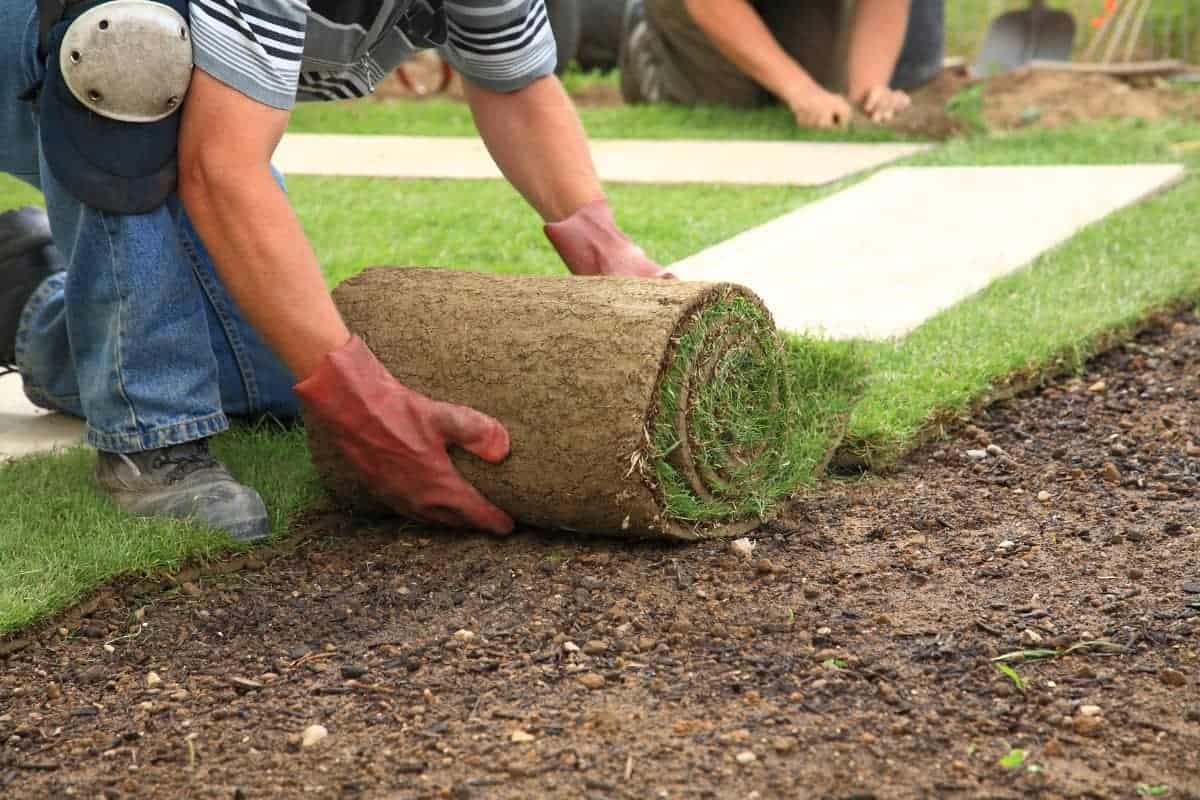
Sod is instant lawn—grass is already established on soil. Lay sod over prepared soil, water thoroughly, and it’s ready for light use in a week or two. Sod costs $10 to $20 per square yard installed (or $5 to $10 per square yard for DIY installation). For small areas, sod is worth the cost for instant results. For large areas, seeding is more economical.
Grass Selection for Your Climate
Cool-season grasses (Kentucky bluegrass, perennial ryegrass, tall fescue) thrive in northern climates with cool winters and moderate summers. Warm-season grasses (Bermuda, zoysia, St. Augustine) thrive in southern climates with hot summers. Choosing the right grass for your climate ensures success; wrong choices struggle and weaken.
Some areas are transition zones where either cool-season or warm-season grasses work. Research which grass varieties succeed in your specific location.
Watering for Establishment and Maintenance
New lawns (seeded or sodded) need frequent watering initially. Keep soil consistently moist (not waterlogged) until grass is established. This typically takes 4 to 8 weeks for seed, 2 to 4 weeks for sod. Once established, most lawns need 1 to 1.5 inches of water per week from rain or irrigation. Water deeply and infrequently rather than shallow and frequent—this encourages deep roots.
Morning watering is best. Evening watering leaves foliage wet overnight, promoting fungal disease. Overwatering weakens turf and encourages disease. Most established lawns thrive on rainfall alone in most climates.
Mowing Practices
Mow regularly at the height recommended for your grass type (typically 2.5 to 3.5 inches for most lawns). Never remove more than one-third of the blade height in a single mowing. Frequent light mowing is better than infrequent heavy scalping. Sharp mower blades cut cleanly; dull blades tear grass and promote disease. Keep blades sharp by sharpening or replacing them seasonally.
Leave clippings on the lawn—they decompose and return nutrients to soil. Mulching mowers chop clippings fine. Bagging clippings removes organic matter and wastes a free fertilizer.
Fertilizing
Established lawns benefit from annual feeding. Spring and fall fertilization supports growth during active periods. Most lawns need 1 to 2 pounds of nitrogen per 1,000 square feet annually. Slow-release fertilizers release nutrients gradually. Liquid fertilizers provide quick results but need frequent application. Organic fertilizers (compost top-dressing) are slower but sustainable.
Don’t over-fertilize. Excessive nitrogen promotes lush growth vulnerable to disease and increases mowing frequency.
Weed Control
Healthy dense turf prevents weeds. Thin turf invites weeds. Prevention through proper mowing, watering, and fertilizing is superior to weed control. For existing weeds, hand-pull or spot-treat with herbicide. Avoid broadcast herbicide spraying—it kills desirable plants too. Most lawn weeds (dandelions, clover, crabgrass) are controllable through spot treatment rather than toxic applications.
Common Lawn Problems
Bare patches result from heavy traffic, disease, or poor growing conditions. Overseed bare patches. Thin turf indicates poor drainage, compacted soil, or inadequate nutrients. Aerate compacted soil and top-dress with compost. Fungal disease (brown patches, dead circles) is controlled through proper watering (avoid overhead watering), improving air circulation, and fungicide application if severe. Insect damage (grubs, chinch bugs) is visible as dead patches and irregular areas. Professional treatment is usually needed for serious insect damage.
Aeration and Top-Dressing
Compacted soil prevents water and nutrient penetration. Aeration (punching holes or pulling cores) relieves compaction and improves drainage. Aerate annually in high-traffic areas, every 2 to 3 years in normal areas. Top-dressing (applying a thin layer of compost or quality soil) improves soil over time. Both services cost $100 to $300 for an average lawn but improve turf dramatically.
Conclusion
Beautiful lawns result from proper establishment and consistent maintenance. Prepare soil well. Choose appropriate grass. Water and feed appropriately. Mow regularly at proper height. Keep blades sharp. Remove weeds and address problems early. A healthy lawn is the crowning achievement of good landscaping and provides years of beauty and function.
FAQs
1. Can I plant grass in summer?
Not recommended. Heat stress makes germination difficult. Spring and fall are ideal. If summer planting is necessary, seed a shade-tolerant grass and keep constantly moist.
2. How often should I mow?
Once a week during active growth. Slow growth seasons (winter) might require mowing every 2-3 weeks. Mow before grass gets too tall and never remove more than one-third per mowing.
3. Should I bag or mulch clippings?
Mulch. Clippings return nutrients. Bagging removes organic matter and requires disposal.
4. Is my lawn over-fertilized?
Signs: excessive growth requiring frequent mowing, disease susceptibility, or runoff into waterways. Reduce fertilizer frequency. Organic top-dressing is sufficient for most established lawns.
5. Can I fix my lawn without starting over?
Yes. Overseed thin areas, aerate compacted soil, improve drainage, fertilize appropriately, and mow properly. Most problem lawns improve dramatically with proper care.