Introduction
Growing vegetables at home connects you to your food source, saves money, and provides incomparable freshness. Homegrown tomatoes bear no resemblance to store-bought ones—they’re fresher, more flavorful, and picked at peak ripeness. This guide walks through vegetable gardening basics, which vegetables succeed for beginners, proper spacing and support, watering and feeding, pest and disease management, and harvesting at peak ripeness. The goal is helping you grow productive vegetable gardens that yield quality food for months.
Vegetable gardening is accessible to everyone. Success comes from choosing suitable varieties, providing proper conditions, consistent maintenance, and patience. Your first vegetable harvest will be better than any store-bought produce.
Choosing Easy Vegetables for Beginners
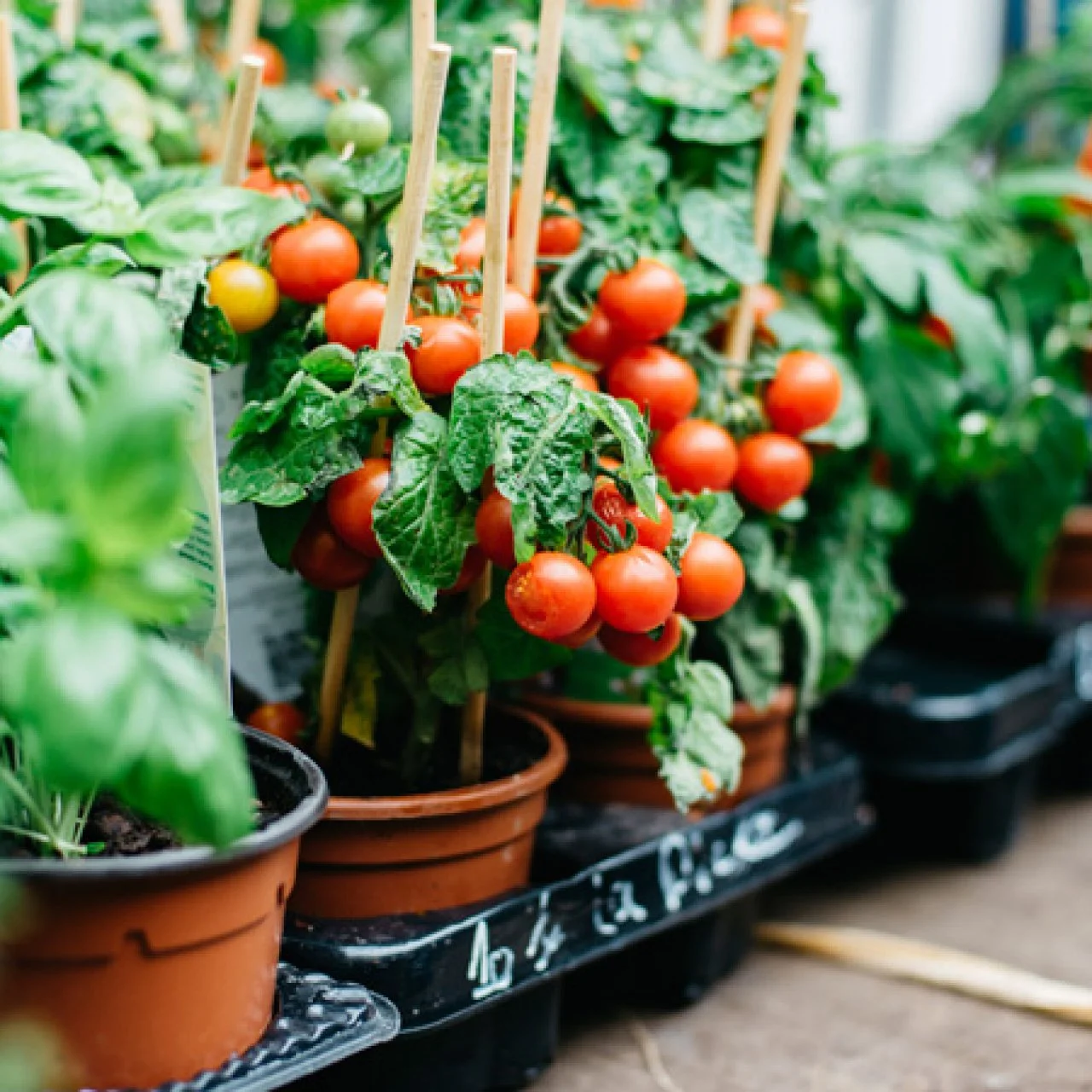
Start with forgiving vegetables that tolerate mistakes and reward you with production. Tomatoes are the most popular—cherry tomatoes especially are productive and foolproof. Lettuce grows quickly and tolerates partial shade. Peppers produce heavily once established. Zucchini produces abundantly (often too abundantly). Bush beans mature quickly and need little support. Radishes mature in weeks. Basil and other herbs are almost foolproof. Avoid finicky vegetables like melons, asparagus, and artichokes your first year.
Choose varieties suited to your climate and day length (some varieties need specific latitude ranges). Read seed packets for days to maturity and disease resistance. Disease-resistant varieties prevent problems before they start.
Spacing and Support Systems
Proper spacing prevents overcrowding, improves air circulation, and reduces fungal problems. Read seed packets for spacing requirements—don’t ignore them. Overcrowded plants compete for nutrients and water, producing less. Tomatoes, peppers, and beans need stakes or cages for support and air circulation. Tomato cages cost $10 to $20 and are reusable. Sturdy stakes with ties work too. Unsupported plants sprawl, touching soil, and are prone to rot and disease.
Vertical growing (trellises, cages, stakes) saves space, improves air circulation, and makes harvesting easier. Peas and beans climb trellises naturally. Cucumbers can be trellised. Tomatoes reach six feet tall staked or caged. Vertical growing transforms small spaces into productive areas.
Soil and Fertilizing
Vegetable gardens need rich soil with plenty of organic matter. Mix compost into beds before planting. Vegetables are heavy feeders depleting soil nutrients. Side-dress with compost or balanced fertilizer (10-10-10) mid-season as plants grow. Tomatoes especially benefit from calcium supplements (crushed eggshells or bone meal) to prevent blossom-end rot. Follow fertilizer label directions—more isn’t better.
Mulch vegetables to retain moisture, moderate temperature, and suppress weeds. Two to three inches of straw, shredded leaves, or compost around plants (not touching stems) protects roots and reduces watering needs.
Watering Consistently
Consistent watering is critical. Vegetables need one to two inches per week. Inconsistent watering causes problems—tomatoes develop blossom-end rot from inconsistent moisture; lettuce becomes bitter. Water deeply and infrequently rather than shallow daily watering. Deep watering encourages deep roots. Drip irrigation or soaker hoses at soil level reduce disease and waste compared to overhead sprinklers wetting foliage.
Morning watering is best—foliage dries quickly, reducing fungal disease risk. Evening watering leaves foliage wet overnight, promoting mildew and fungal problems. Afternoon heat is harsh; morning watering avoids wilting stress and reduces transpiration loss.
Pest and Disease Management
Insect pests (aphids, beetles, worms) and fungal diseases (powdery mildew, blight) challenge vegetable growers. Regular inspection catches problems early when controlling them is easier. Remove affected leaves or insects by hand. Use organic solutions (neem oil, insecticidal soap, bacillus thuringiensis for worms) before considering chemical pesticides. Good air circulation through proper spacing and pruning prevents fungal disease.
Resistant varieties prevent problems. Tomatoes marked EB (Early Blight resistant) or PM (Powdery Mildew resistant) have built-in disease resistance. Crop rotation (planting different families in different beds each year) prevents soil-borne diseases from building up.
Harvesting at Peak Ripeness
Vegetables taste best harvested at peak ripeness. Tomatoes develop full flavor when fully colored but still have slight give when pressed. Zucchini is tender and flavorful small (6 to 8 inches) but still productive when larger. Peppers are harvestable green but develop sweeter flavor and better color if left to ripen to red, yellow, or orange. Beans should be young and tender—older pods are tough and stringy. Lettuce and greens are harvested before bolting (flowering).
Regular harvesting encourages more production. Leaving ripe vegetables on plants signals the plant to stop flowering—harvesting frequently keeps plants productive through the season. A tomato plant producing heavily for months is being harvested constantly.
Succession Planting for Continuous Harvest
Plant lettuce, beans, or squash every two weeks for continuous harvests rather than one overwhelming glut. Cool-season crops can be replanted in late summer for fall harvest. This succession planting strategy keeps you harvesting all season rather than having everything mature at once.
Common Problems and Solutions
Blossom-end rot (dark rot on bottom of tomatoes): inconsistent watering. Solution: water consistently and add calcium. Powdery mildew (white fungal coating): poor air circulation and humidity. Solution: space plants properly and improve air flow. Wilting despite moist soil: check for root rot or pest damage. Yellowing leaves: nitrogen deficiency. Solution: side-dress with fertilizer. Yellow leaves with green veins: iron deficiency. Solution: apply chelated iron.
Conclusion
Growing vegetables at home is rewarding and surprisingly easy. Choose beginner-friendly varieties. Provide proper spacing, rich soil, and consistent watering. Monitor for problems and address them early. Harvest regularly at peak ripeness. With these fundamentals, you’ll grow more food than you can eat and enjoy freshness impossible to achieve commercially. Vegetable gardening connects you to seasons and to the simple pleasure of growing your own food.
FAQs
1. Can I grow vegetables in containers?
Absolutely. Tomatoes, peppers, lettuce, beans, and herbs all grow in containers. Use large containers (5+ gallons) and quality potting soil. Container gardens need more frequent watering than in-ground gardens.
2. When should I start vegetable seeds indoors?
Start seeds 6-8 weeks before your last frost date. Check seed packets for specific timing. Some vegetables (beans, squash, corn) are sown directly in soil.
3. How do I know when to harvest?
Harvest vegetables at peak ripeness as described for each type. When in doubt, taste a small piece to test readiness.
4. What if I have pests?
Identify the pest first. Inspect regularly to catch infestations early. Remove pests by hand if possible. Use organic controls before chemicals. Neem oil and insecticidal soap work on most soft-bodied pests.
5. Can I save seeds from my vegetables?
Yes, from non-hybrid varieties. Hybrids don’t breed true. Extract seeds, dry them completely, and store in cool, dry conditions for next season.