Introduction
Starting a garden feels overwhelming if you’ve never done it. Where do you begin? What should you grow? How much space do you need? The reality is that gardening is accessible to everyone, regardless of space or experience. A small deck with containers can be a garden. A backyard plot can grow vegetables for a family. Even a sunny windowsill can produce herbs. This guide walks through the fundamentals of garden planning, choosing what to grow, understanding your space and soil, and getting started without expensive mistakes. The goal is demystifying gardening and helping you create a garden that works for your lifestyle and space.
Successful gardening starts with planning. Knowing your climate, sun exposure, soil condition, and what you actually want to grow prevents wasted time and money on plants that won’t thrive in your conditions.
Assessing Your Space and Sunlight
The most critical factor is sunlight. Most vegetables and flowers need at least six to eight hours of direct sunlight daily. Shade-tolerant plants exist but are fewer than sun-lovers. Walk around your property at different times of day and note where sun hits longest. Morning sun is gentler than afternoon sun; afternoon shade in hot climates is valuable. Document sunlight patterns for a few days. This determines what grows where.
Space matters less than you think. A four-by-eight-foot raised bed produces significant vegetables for a small family. A balcony with containers grows herbs and lettuce. A south-facing wall reflects heat and extends growing seasons. Small spaces limit quantity but not possibility. Start small, learn what works, then expand if desired.
Understanding Your Zone and Climate
Your USDA Hardiness Zone determines what plants survive winter outdoors. Zones range from 1 (coldest, Alaska) to 13 (warmest, Hawaii and southern Florida). Find your zone at planthardiness.ars.usda.gov. Your zone tells you what perennials survive winter and when to plant annuals. Growing zones matter for long-term landscaping but matter less for annual vegetables—you replant vegetables yearly anyway.
Frost dates matter for vegetable gardeners. Your last spring frost date tells you when it’s safe to plant frost-sensitive plants (tomatoes, peppers, squash). Your first fall frost date tells you when plants die. These dates are crucial for timing planting. Search “frost dates [your city]” or ask local garden centers. Most regions publish frost date maps.
Soil Assessment and Improvement
Soil is the foundation of gardening success. Good soil has structure, drains well, and contains nutrients. Poor soil leads to struggling plants. Assess your soil by grabbing a handful when it’s slightly moist. Squeeze it. Does it crumble? That’s good—it’s loamy. Does it form a tight ball? It’s clay-heavy and drains poorly. Does it fall apart immediately? It’s sandy and drains too fast. Most soils benefit from amendment.
Improve soil by adding organic matter—compost, aged manure, peat moss, or coconut coir. Mix amendments into the top 6 to 8 inches of soil. This improves structure, water retention, drainage, and nutrient content simultaneously. For container gardening, use quality potting soil mixed with compost. Garden centers sell soil testing kits (inexpensive) that identify nutrient deficiencies. Professional soil testing costs $25 to $50 but provides detailed recommendations.
Choosing What to Grow
Vegetables for Beginners
Easy vegetables that grow for beginners: tomatoes, lettuce, peppers, zucchini, beans, radishes, spinach, and herbs. Avoid fussy plants (artichokes, asparagus, melons) your first year. Choose vegetables you actually eat—growing something you don’t like wastes space and effort. Check seed packets for days to maturity and whether your climate is suitable.
Flowers for Curb Appeal
Easy flowers: marigolds, zinnias, daisies, coneflowers, sunflowers, and black-eyed Susans. Perennials (come back yearly) need less replanting than annuals but take longer to establish. Start with annuals for instant color, then add perennials as you learn what thrives in your conditions.
Herbs Worth Growing
Basil, parsley, cilantro, thyme, oregano, and chives thrive in containers and in-ground gardens. They’re inexpensive from seed, productive, and add real value to your cooking. Mint thrives almost everywhere but spreads aggressively—contain it in a pot or designated bed to prevent takeover.
Garden Layout and Design
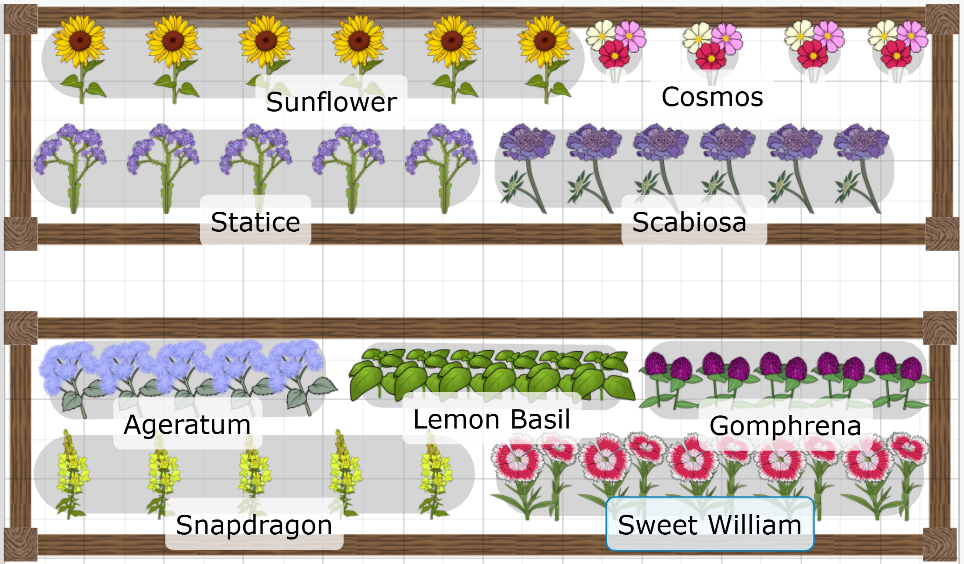
Sketch your garden on paper. Mark sun exposure, structures (house, fences), existing plants, and irrigation access. Place tall plants (tomatoes, sunflowers) where they don’t shade shorter plants. Group plants with similar water needs together for efficient watering. Put vegetables or flowers you’ll harvest frequently near paths for easy access.
Raised beds elevate gardening (easier on the back, better drainage, deer-resistant) but cost $200 to $500 for a decent-sized bed. In-ground gardens are cheaper but require more soil preparation. Containers work for patios and small spaces. There’s no one right way—choose what fits your space and budget.
Watering and Irrigation Planning
Consistent watering is critical. Most plants need one to two inches per week from rain or irrigation. Overwatering causes rot and fungal problems; underwatering stresses plants and reduces yields. Drip irrigation or soaker hoses deliver water directly to soil, reducing waste and fungal problems compared to overhead watering. Mulch (two to three inches of wood chips or straw) reduces water needs by 50 percent or more by retaining soil moisture and regulating temperature.
Water early morning before heat and sun intensify. Evening watering leaves foliage wet overnight, promoting fungal diseases. Adjust watering based on rainfall—if you get a good rain, skip the next irrigation. Clay soils need less frequent watering but deeper soaking. Sandy soils need more frequent shallow watering.
Getting Started: Tools and Supplies
You don’t need fancy tools. Essential tools: a spade, hand shovel, rake, hoe, garden gloves, and watering can or hose. These cost $50 to $100 total from a hardware store. Add a wheelbarrow ($30 to $80) if you’re moving soil or mulch. Avoid buying expensive tools before knowing what you’ll use—borrow or rent first.
Seeds and plants: seeds cost pennies per packet. Seedlings (starter plants from nurseries) cost $3 to $8 each but require less knowledge. Starting from seed is cheaper for large quantities; seedlings are smarter for beginners trying a few plants. Soil amendments (compost, mulch) cost more than tools. Budget $100 to $300 for your first garden including soil, seeds, and basic tools.
Timing Your First Garden
Spring is ideal for most gardens. Plant cool-season crops (lettuce, spinach, peas) directly outside early spring. Wait until last frost date to plant warm-season plants (tomatoes, peppers, basil). Fall is excellent for cool-season crops again—you get a second season. Perennials and trees are planted in spring or fall when dormant. Start small your first year and expand as you gain confidence and learn what thrives in your specific conditions.
Garden Maintenance Basics
Weeding removes competition for water and nutrients. Mulch prevents many weeds from germinating. Weekly weeding for 15 minutes prevents overwhelming overgrowth. Pruning (removing dead or diseased branches) encourages healthy growth and bushier plants. Staking or caging tall plants (tomatoes, peas) prevents damage and improves air circulation.
Conclusion
Garden planning starts with understanding your space, sunlight, and soil. Choose plants that suit your climate and that you’ll actually eat or enjoy. Sketch a layout. Prepare soil with amendments. Start small with easy plants. Maintain consistently with watering, weeding, and occasional pruning. With patience and attention, your first garden will thrive. You’ll gain confidence for bigger gardens in years to come. The secret to gardening success is starting, learning from mistakes, and adjusting for next season.
FAQs
1. Can I garden in containers?
Absolutely. Containers work for vegetables, flowers, and herbs. Use quality potting soil, provide drainage holes, and water more frequently than in-ground gardens since containers dry faster.
2. What if I don’t know my soil type?
Get it tested (inexpensive kits available) or do the squeeze test. Most soils benefit from adding compost regardless of type. Start there and adjust based on plant performance.
3. Can I start a garden in summer?
Yes, but timing matters. Spring and early summer are ideal for warm-season crops. Late summer is perfect for cool-season fall crops. Avoid planting in peak heat when germination and transplanting are stressful.
4. How much space do I need?
A four-by-eight-foot bed feeds a small family. A few containers produce fresh herbs and lettuce. Start with whatever space you have. Most beginner gardeners overestimate how much they’ll use.
5. What if my garden fails the first year?
Failure is learning. Every gardener kills plants. Document what worked and what didn’t. Adjust for next season. Gardening is iterative—each year you understand your conditions better and make better choices.